



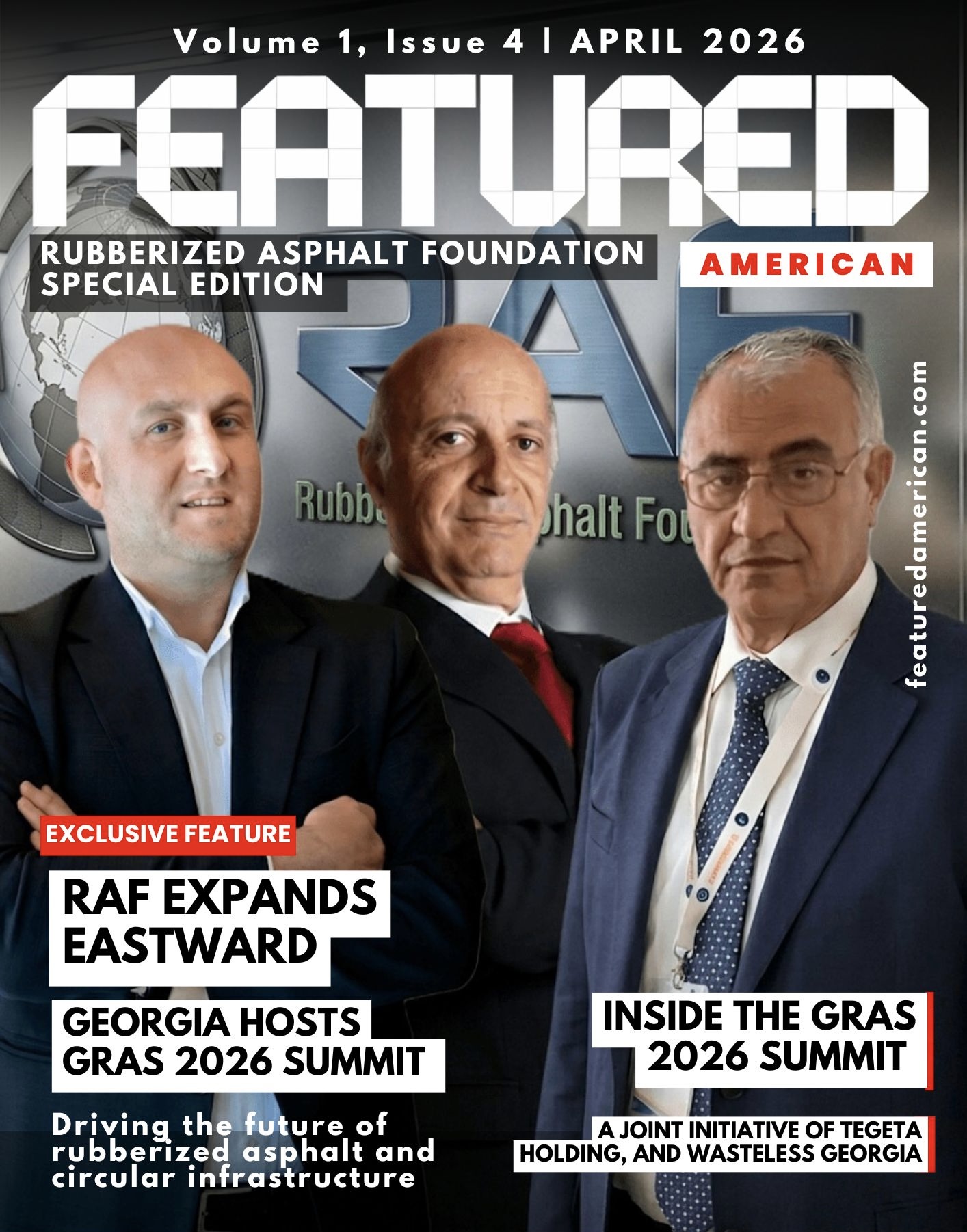
A New Road Begins in Tbilisi
In March 2026, the historic city of Tbilisi became an unexpected epicenter of global infrastructure innovation. The Georgia Rubberized Asphalt Summit 2026—widely referred to as GRAS 2026—was not merely a conference; it was a turning point. It marked the moment when the Caucasus region stepped decisively onto the global stage of sustainable infrastructure.
At the center of this transformation stands the Rubberized Asphalt Foundation (RAF), a globally respected institution advancing the use of recycled tire rubber in road construction. For decades, RAF has shaped best practices in North America and influenced infrastructure policy worldwide. But GRAS 2026 signals something new: a deliberate expansion into emerging regions, beginning with Georgia.
The summit was a joint initiative of Tegeta Holding, one of Georgia’s largest investments and most influential automotive company groups, and Wasteless Georgia, a nongovernmental organization dedicated to advancing circular economy solutions. Together, they provided the vision, local partnerships, and operational commitment needed to bring together policymakers, engineers, scientists, and private sector leaders in a shared mission—to transform one of the world’s most persistent waste problems into a cornerstone of modern infrastructure. Giorgi Guliashvili, Chairman of Wasteless Georgia, played a key role in shaping the initiative, reinforcing the importance of crosssector collaboration in driving sustainable change.
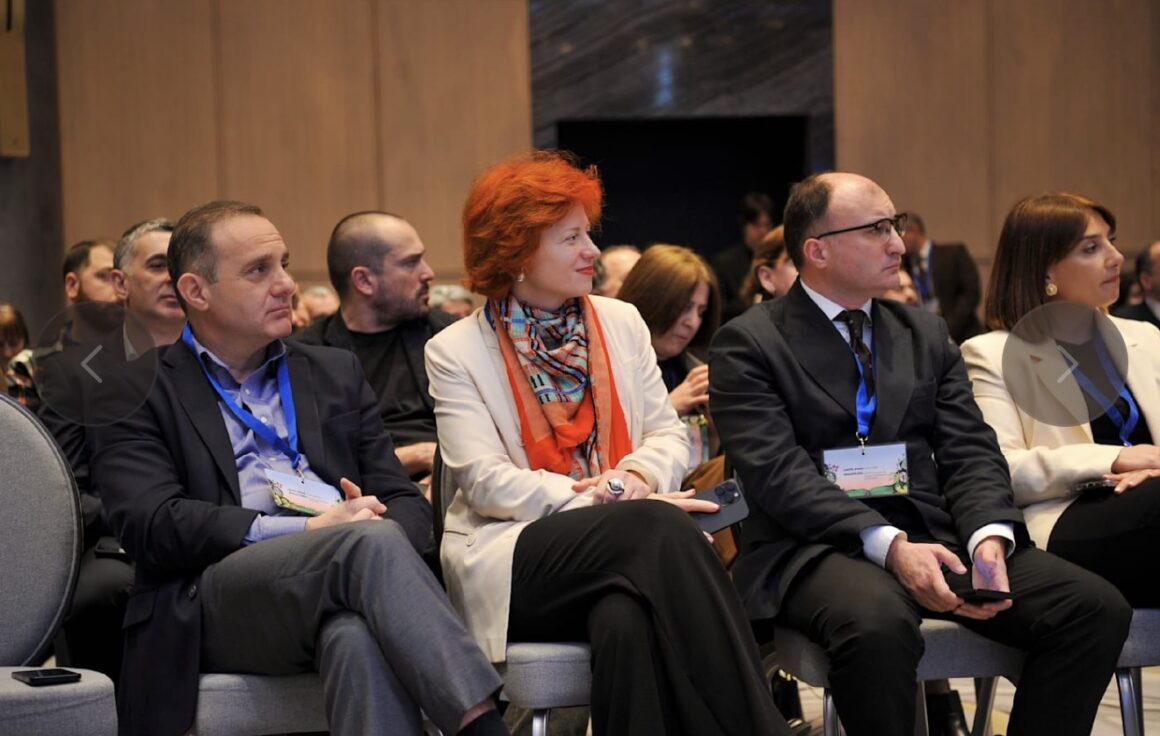
Turning Waste into Performance Infrastructure
Each year, billions of end-of-life tires accumulate globally, creating environmental, logistical, and public health challenges. Traditional disposal methods—landfilling or incineration—are increasingly unsustainable.
Rubberized asphalt offers a powerful alternative.
By integrating recycled tire rubber into asphalt mixtures, roads become more durable, more resistant to cracking, and significantly quieter. Studies in the United States have demonstrated longer pavement lifecycles and reduced maintenance costs, making the technology not only environmentally responsible but economically compelling.
Yet the real challenge is not technological—it is systemic.
GRAS 2026 addressed this gap directly. Rather than focusing solely on the science, the summit explored implementation: policy frameworks, supply chains, standards, and financing mechanisms. This holistic approach is precisely where RAF’s global experience becomes indispensable.
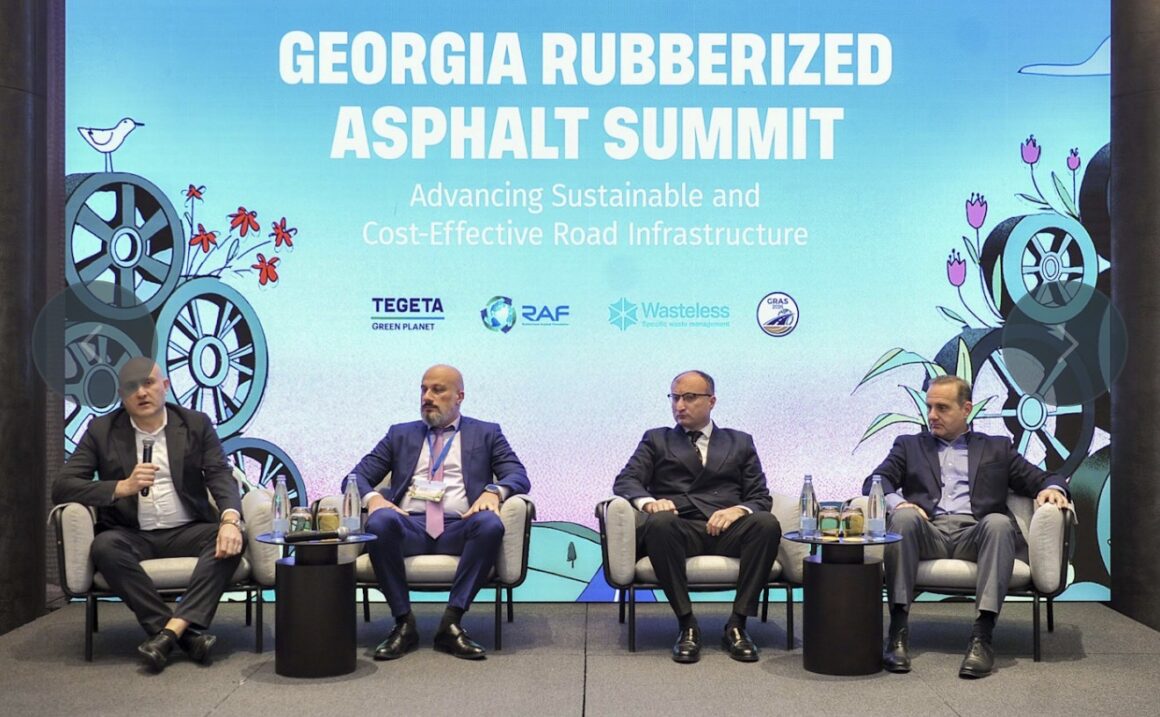
RAF’s Strategic Expansion into the Caucasus
The decision by the Rubberized Asphalt Foundation to expand into the Caucasus is both strategic and symbolic.
Geographically, the region sits at the crossroads of Europe and Asia. Economically, it is experiencing rapid infrastructure development. Politically, countries like Georgia are aligning more closely with European environmental standards and sustainability goals.
RAF’s expansion is not about exporting a product—it is about building an ecosystem.
This includes:
- Developing national standards aligned with international best practices
- Training engineers and policymakers
- Supporting pilot projects and technical validation
- Facilitating collaboration between public and private sectors
GRAS 2026 represents the first major milestone in this process—a launchpad for long-term engagement rather than a standalone event. The active involvement of Tegeta Holding and Wasteless Georgia has been instrumental in this regard, providing the local expertise, operational capacity, and strategic vision necessary to translate global best practices into ontheground results.
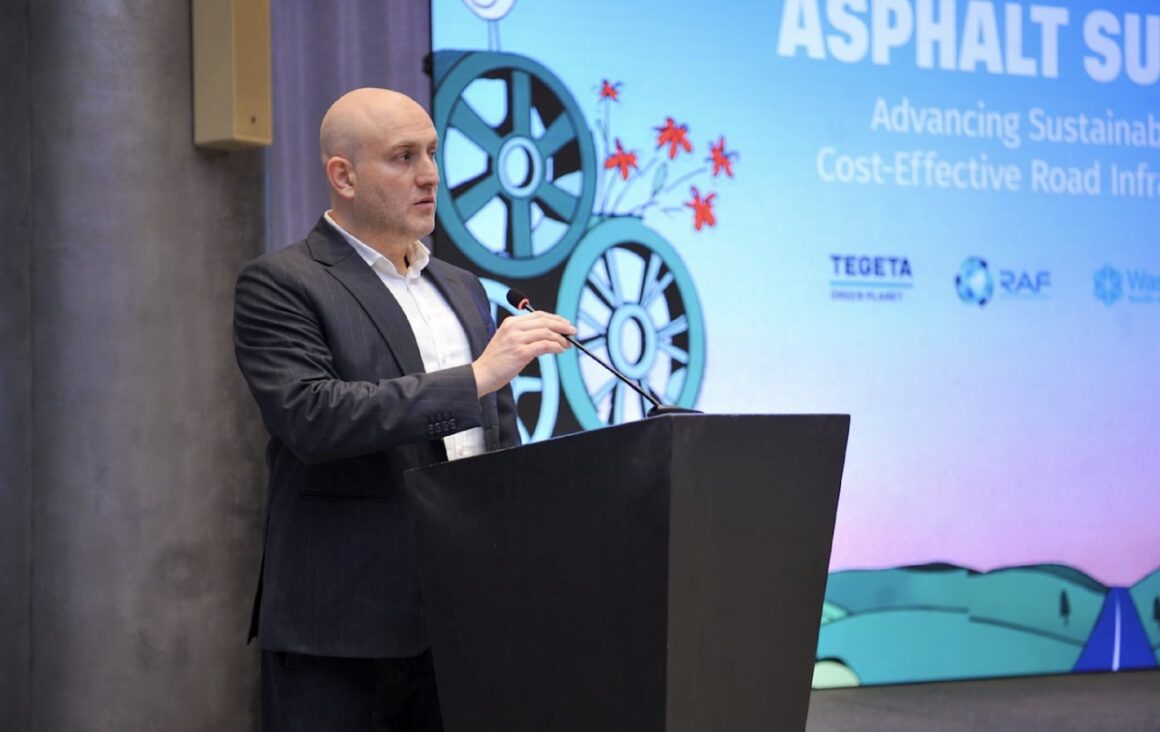
Shalva Akhvlediani: Architect of Regional Transformation
Few individuals embody the bridge between global expertise and local implementation as effectively as Shalva Akhvlediani.
As CEO of Tegeta Green Planet and a Board Member of RAF, Akhvlediani has played a pivotal role in bringing GRAS 2026 to life. His leadership extends beyond organizational responsibilities—he is shaping an entire national agenda around circular economy principles.
Under his guidance, Georgia is not simply adopting rubberized asphalt; it is building a comprehensive ecosystem that includes tire collection, recycling infrastructure, and downstream applications such as road construction.
Akhvlediani’s influence is particularly significant because it operates on multiple levels. At the international level, he contributes to RAF’s strategic direction. At the national level, he works closely with government institutions and industry stakeholders to ensure practical implementation. Through his role at Tegeta Green Planet—a subsidiary of Tegeta Holding—he has also been able to mobilize private-sector resources in support of public infrastructure goals.
His vision is clear: position Georgia as a regional hub for sustainable infrastructure innovation.
And GRAS 2026 is only the beginning.
Dr. Jorge Sousa: The Science Behind the Movement
No transformation of this scale is possible without a strong scientific foundation—and that is where Jorge Sousa plays a critical role.
A globally recognized expert in pavement engineering, Sousa has dedicated decades to advancing the performance and reliability of rubberized asphalt technologies. His work has been instrumental in establishing the technical credibility of the field.
At GRAS 2026, Sousa’s contribution went beyond technical presentations. He provided a framework for understanding how rubberized asphalt fits within broader infrastructure systems—how it interacts with climate conditions, traffic patterns, and long-term maintenance strategies.
His presence underscored a key message: innovation must be grounded in evidence.
For emerging markets like Georgia, access to this level of expertise is transformative. It allows them to leapfrog early-stage experimentation and move directly toward optimized, data-driven implementation.
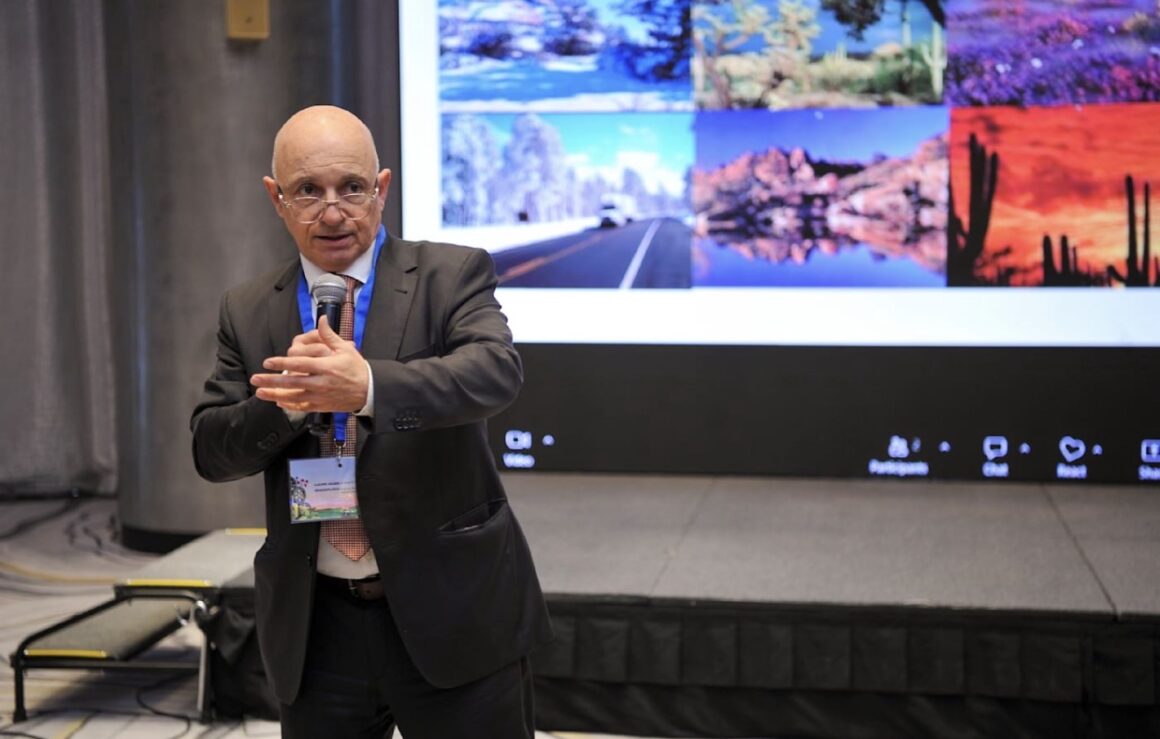
Dr. Shakir Shatnawi: Bridging Theory and Practice
Complementing the scientific perspective of Sousa, Shakir Shatnawi brought a practical, systems-oriented approach to GRAS 2026.
With extensive experience in infrastructure development and material applications, Shatnawi focuses on one of the most critical aspects of innovation: execution.
His interventions during the summit emphasized the importance of integration—ensuring that rubberized asphalt is not treated as an isolated technology but as part of a broader infrastructure ecosystem. This includes logistics, construction practices, workforce training, and regulatory compliance.
Shatnawi’s perspective is particularly valuable in regions where institutional frameworks are still evolving. By addressing real-world challenges—procurement, quality control, implementation timelines—he helps translate vision into action.
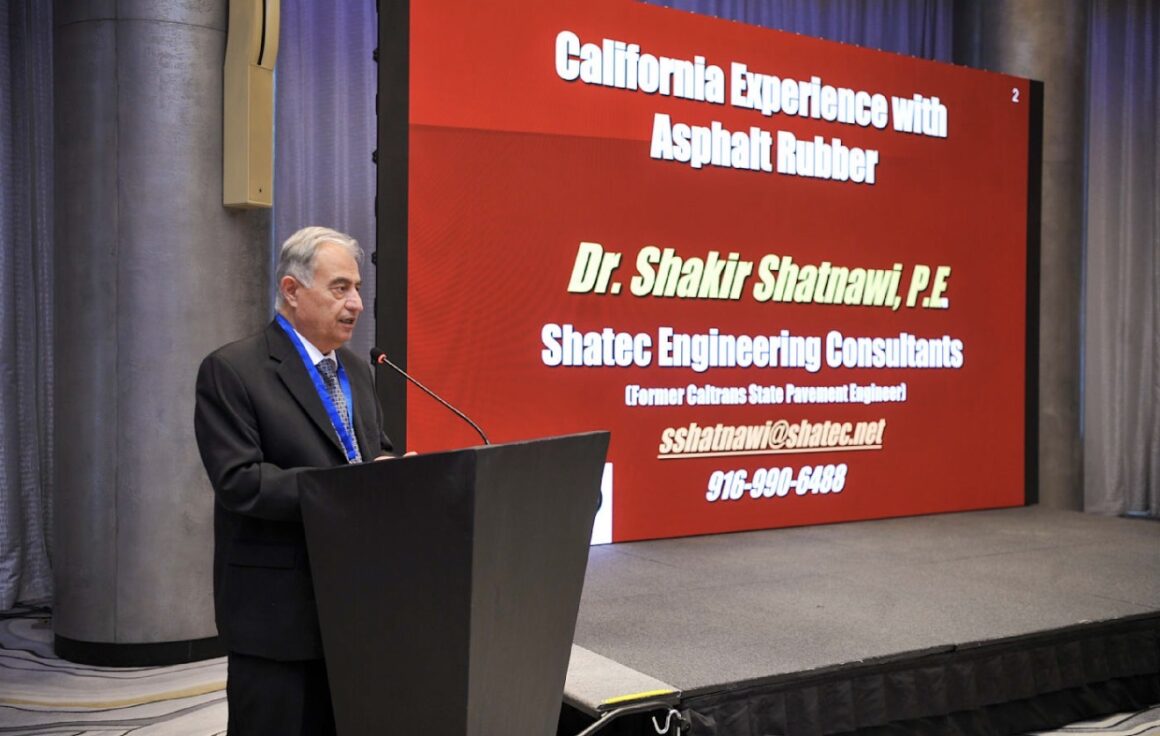
Dr. George Way: Leadership from the Helm of RAF
At the strategic helm of the Rubberized Asphalt Foundation stands Dr. George Way, whose role as Chairman brings decades of leadership and expertise to the organization.
Although his participation in GRAS 2026 was delivered remotely, his influence was unmistakable.
Dr. Way’s intervention during the summit provided both validation and direction. Drawing from extensive experience in the United States—where rubberized asphalt has been successfully implemented at scale—he emphasized the importance of standards, consistency, and long-term commitment.
His message to Georgia and the broader Caucasus region was clear:
Adoption must be systematic, not fragmented.
Quality must be non-negotiable.
Collaboration must be sustained.
By reinforcing these principles, Dr. Way positioned RAF not only as a technical authority but as a strategic partner in the region’s development.
His leadership ensures that RAF’s expansion is guided by experience, credibility, and a long-term vision.
Why the Caucasus—and Why Now?
Infrastructure development is entering a new era.
Across the United States and Europe, there is a growing emphasis on lifecycle performance, sustainability, and circular resource use. Governments are increasingly prioritizing solutions that reduce environmental impact while delivering long-term economic value.
Rubberized asphalt aligns perfectly with these priorities.
For the Caucasus, this creates a unique window of opportunity.
Georgia, in particular, is actively investing in transportation infrastructure while seeking to align with European standards. This convergence of investment and policy creates fertile ground for innovation.
GRAS 2026 signals that the region is ready—not just to adopt global best practices, but to contribute to their evolution.
Beyond Technology: Building a System
One of the most important insights from GRAS 2026 is that success depends on more than technology.
Effective implementation requires a complete ecosystem:
- Regulatory frameworks
- Technical standards
- Skilled workforce
- Reliable supply chains
- Public-private partnerships
RAF’s approach addresses all these dimensions, drawing on decades of experience across multiple countries.
This systems-level thinking is what differentiates successful infrastructure transformations from isolated pilot projects.
The Role of the Private Sector and Civil Society
The leadership of Tegeta Holding and Wasteless Georgia highlights the critical role that both private enterprise and civil society play in driving sustainable innovation.
As the joint initiators of GRAS 2026, they brought together the investment capacity, policy engagement, and communityfocused expertise required to launch a national conversation on rubberized asphalt. Giorgi Guliashvili, Chairman of Wasteless Georgia, emphasized that crosssector collaboration is essential for moving from pilot projects to systemic change—a perspective that resonated throughout the summit.
Rather than waiting for regulatory mandates, these organizations are actively shaping the agenda:
- Investing in recycling infrastructure
- Promoting advanced materials
- Engaging with policymakers
- Creating platforms like GRAS 2026
This proactive approach reflects a broader global trend: sustainability is increasingly being driven by those willing to lead, not those waiting to follow.
Ekaterine Kavtaradze: A Vision for Sustainability
At the helm of Tegeta Holding, CEO Ekaterine Kavtaradze has made sustainability a defining principle of the organization’s strategy. Her leadership has been central to Tegeta’s decision to champion rubberized asphalt technology and to support the convening of GRAS 2026 in Georgia.

Reflecting on the summit and its implications, Kavtaradze stated:
“For Tegeta Holding, sustainability is one of the core principles of our business operations, reflected in concrete decisions we make every day. I am delighted that Georgia had the opportunity to host such a large-scale event. GRAS 2026 demonstrates that a circular economy can become a genuine economic priority in Georgia as well—one that delivers significant benefits for the country by transforming waste into resources, generating economic value, and reducing negative environmental impact.
Discussions of this kind facilitate the exchange of international best practices, the development of new standards, and the long-term sustainability of road infrastructure. We believe that Georgia should keep pace with modern technologies so that, together, we can build a greener future.”
Her remarks underscore a fundamental shift: in Georgia, sustainability is no longer a peripheral concern but a core business priority, championed by the country’s leading private enterprises.
A Blueprint for the Future
The impact of GRAS 2026 will be measured not only by what was discussed, but by what follows.
Key expected outcomes include:
- Pilot rubberized asphalt projects in Georgia
- Development of national standards
- Expansion of tire recycling infrastructure
- Increased collaboration with international institutions
- Integration of circular economy principles into public procurement
If successful, this model could extend beyond Georgia—serving as a blueprint for the entire Caucasus and neighboring regions.
From Regional Initiative to Global Movement
What began as a national initiative—jointly launched by Tegeta Holding and Wasteless Georgia—is rapidly evolving into a global story.
With the involvement of the Rubberized Asphalt Foundation and the leadership of figures like Shalva Akhvlediani, Jorge Sousa, Shakir Shatnawi, and Dr. George Way—and with the strategic commitment of Tegeta Holding under Ekaterine Kavtaradze’s direction, and the vision of Giorgi Guliashvili as Chairman of Wasteless Georgia—the Caucasus is emerging as a new frontier of sustainable infrastructure.
This is not just about roads.
It is about redefining how societies approach waste, resources, and development.
It is about turning environmental challenges into economic opportunities.
And it is about proving that leadership in sustainability can emerge from anywhere.
The Cover Message
The future of infrastructure is no longer confined to traditional centers of power. It is being built wherever vision meets execution.
In Tbilisi, in March 2026, that future began to take shape.
And if the momentum continues, the roads built in the Caucasus may soon carry more than vehicles—they may carry the blueprint for a more sustainable world.

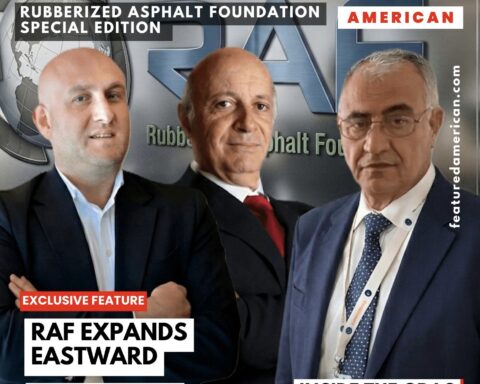




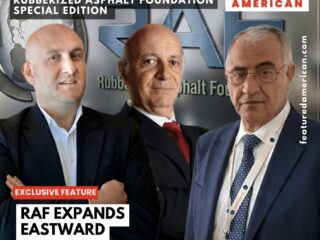






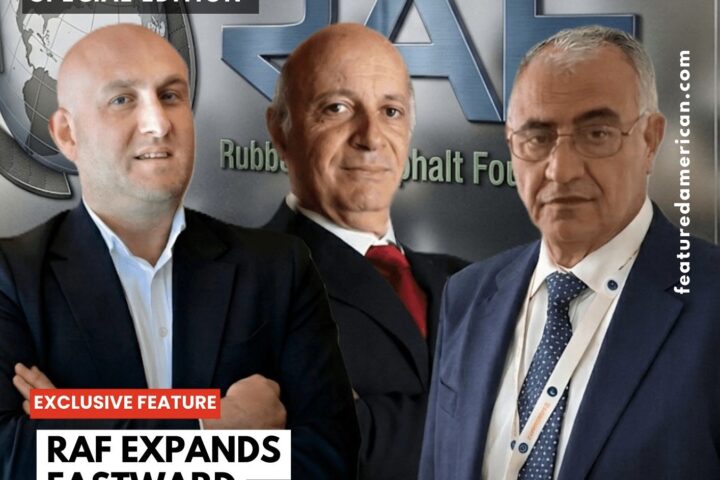
A New Road Begins in Tbilisi In March 2026, the historic city of Tbilisi became an unexpected epicenter of global infrastructure innovation.
A seven-year-old’s dream, a Top Gun moment, a world-altering tragedy — and the one decision that changed everything. Jeremy Stoker was seven

In the modern political and social landscape, finding a leader who seamlessly marries grassroots advocacy with high-level corporate and scientific acumen is

TORONTO, Canada – As Canadian businesses continue strengthening their global outlook, international companies are increasingly looking to Canada as a strategic market